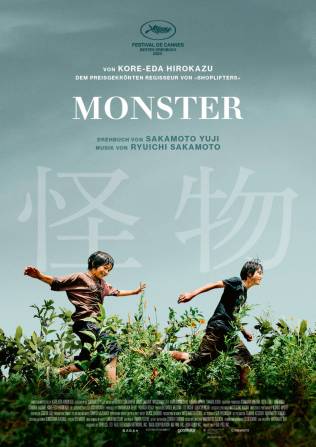
 In Monster, director Kore-eda Hirokazu furthers his ongoing humanistic interest in intra-family relationships, particularly those in nontraditional family settings. Building on the familial dynamics examined in his previous works such as the family of thieves in Shoplifter and the adoption-based narrative in Broker, Kore-eda turns his lens to the compelling story of a widowed mother, Saori (Sakura Ando), and her 11-year-old son, Minato (Kurokawa Soya).
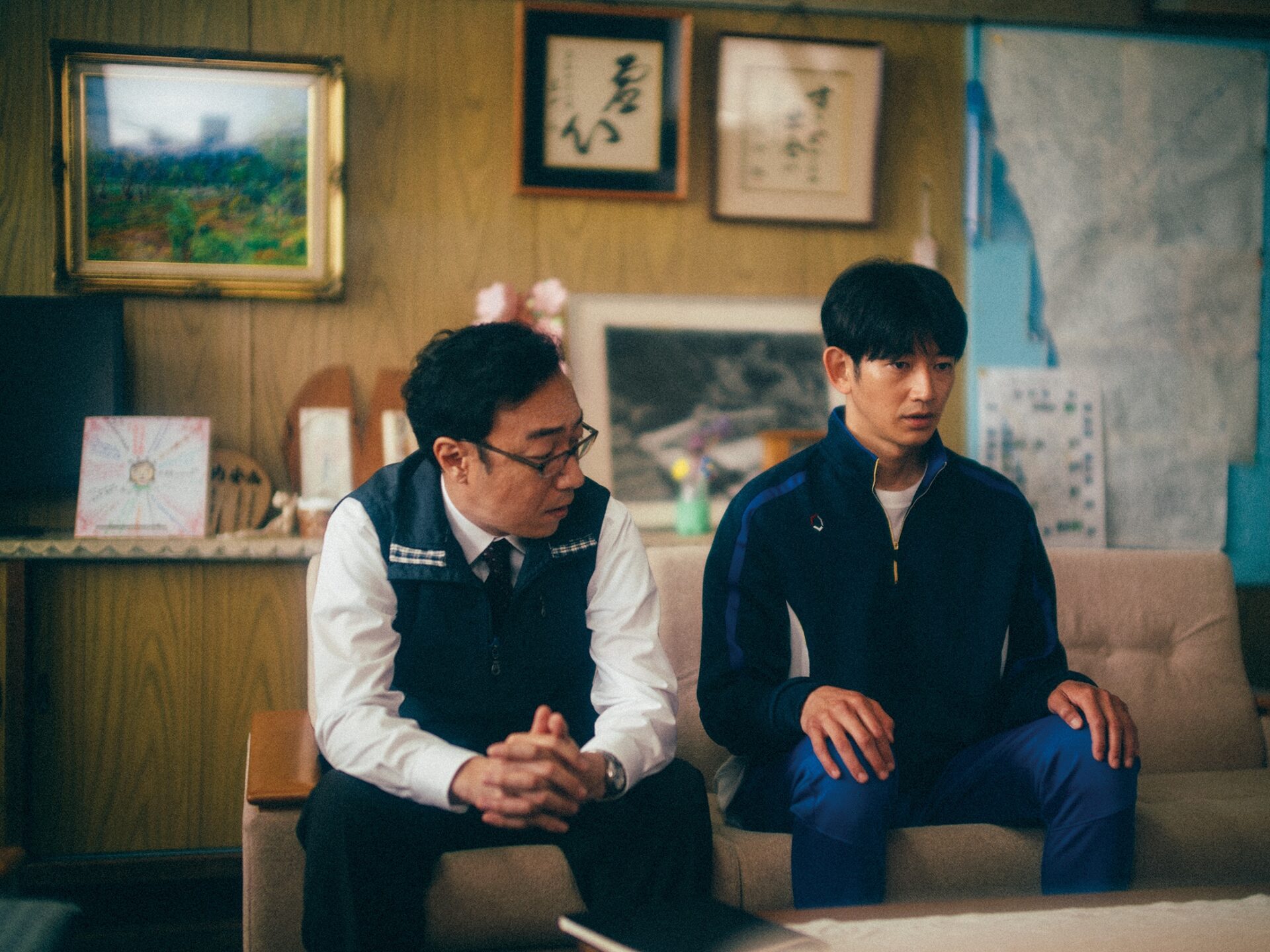
One day Minato returns from school bearing signs of physical violence, seeming to be a victim of maltreatment by his teacher, Mr. Hori (Nagayama Eita). Saori, concerned for her son’s physical, and especially, mental health decides to approach the school principal (Yūko Tanaka) seeking answers but only finds a blank wall of apologies; wall in defense of Mr. Hori, who shows no sign of accountability but, rather, accuses Minato of bullying his best
friend, Yori (Hinata Hiiragi). The narrative unfolds from three points of view, tracing carefully the same episodes through the eyes of Saori, Mr. Hori, and finally Minato.
Each reiteration opens with the same scene, that of a burning building. From the first scene the viewer is introduced to the leitmotif underlying the film’s evolution: Who has done it? The film’s dynamic hinges on an enthralling succession of unanswered questions: Who burned down the apartment building? Who is the monster? The different points of view represent a typical whodunit pattern in which the same story is seen and revised from different perspectives, gradually adding more details that come tightly together to shape the final truth. Each new perspective deepens the dynamics between the characters by revealing more information about the events and shattering the audience’s preconceptions created so far about who the monster really is.

In contrast to Kurosawa’s Rashomon, where varying perspectives underscore the unreliability of individual perceptions, the truth in Monster possesses an objective core. There exists a concrete truth: the person who set the building ablaze, the individual responsible for Minato’s assault. All will be revealed by the film’s conclusion. However the interpretation of these facts remains subjective, shrouded in incomplete knowledge. The truth is more complex and multifaceted than what the protagonists, and viewers, might initially grasp. The monster, a symbol not easily tagged, resides not in the characters who committed the acts but in those who rush to premature conclusions. The narrative challenges the audience to resist hasty judgments, pointing out the dangers of oversimplifying and overlooking the complexities that surround the truth.
While Minato stands as the film’s protagonist, he is rarely shown before the last act. The story is his own, but in his absence, just as his feelings for Yori elude his understanding. In a fascinating parallel, Minato finds a reflection in the school principal, a character wrapped in her own truth. She guards the secret of her granddaughter’s accidental death, convinced that the greater good of the school justifies her choice. Like Minato, she is the sole possessor of her truth, which remains unspoken. These characters share a silent struggle, unable to articulate their truths to a world that may not comprehend them. « Some truths cannot be told because there is no one who will listen and understand, » declares the principal at the film’s most delicate moment. And so they cry them loudly into music instruments so that everyone hears them, making them resound in the wind like the roar of a monster.
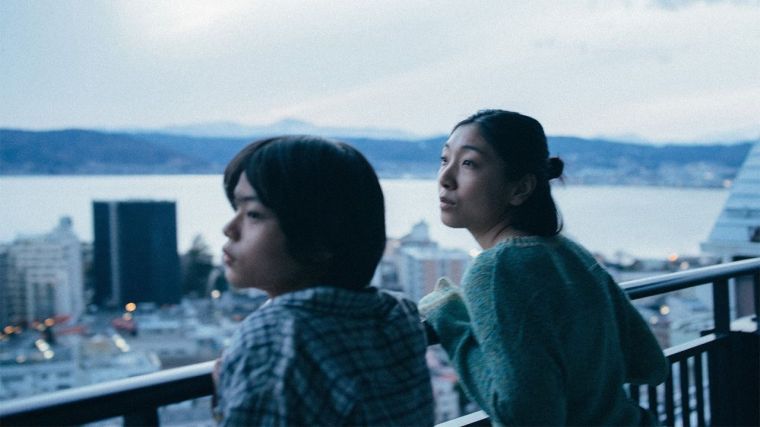
Although written by Yuji Sakamoto, the narrative of Monster seamlessly embodies the essential themes of Kore-eda Hirokazu’s filmography, particularly on the complexity of the relationship between children and adults. Once again, he skillfully handles the intricacy inherent in portraying these relationships, showcasing a profound understanding of the human condition.
Moreover, Kore-eda Hirokazu once again demonstrates his masterful skill in directing actors, in particular children. The standout performance of Kurokawa Soya as Minato effectively conveys the internal turmoil that plagues every child faced with conflicting choices. In Minato’s portrayal, we witness a masterful depiction of the profound sense of injustice that children often grapple with, unsure of the appropriate course of action, leading to outbursts of raw emotion as a form of cathartic release.
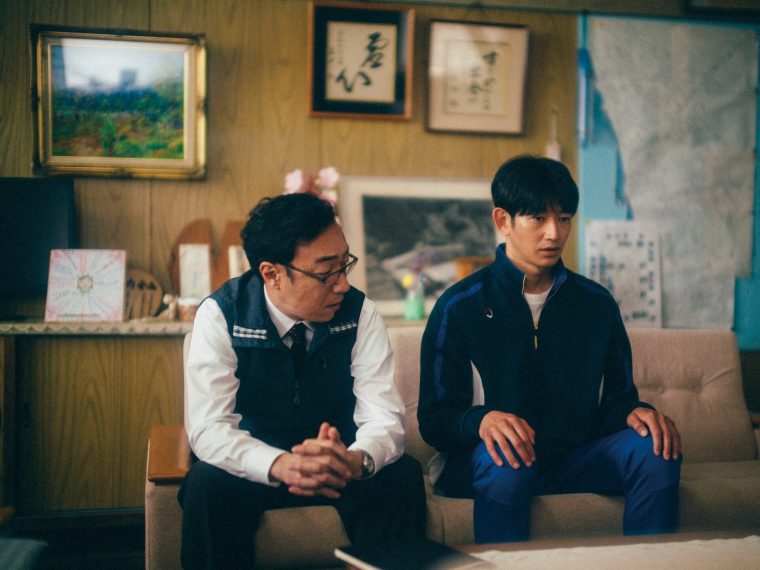
Completing the narrative is the beautiful score by Ryuichi Sakamoto, his last contribution before his passing. The score gracefully guides the film through its repetitive yet nuanced moments, enhancing both the more and less dramatic scenes. The cinematography of Ryūto Kondō, subjectively depicts, for each repetition, the story as seen from the perspective of each of the main characters. The camera is perpetually moving, symbolizing the inherent instability of perceived truth, that, like a frame, can change from any moment to the next. Together these elements contribute to the emotional resonance of the film, showing Kore-eda Hirokazu’s mastery of the art of filmmaking.
Monster is an absorbing film that skillfully unveils the intricate complexity of human relationships. From its seemingly simple story, it successfully delves deeply into a myriad of themes, from peer bullying to the first feelings of love. The film empathizes with the difficulty in grasping the truth in life, and with it, articulating one’s truth freely, knowing it may not be comprehended. But when the truth is finally spoken, it can feel like a breathless run through soaked fields after a gloomy storm.




 Film Exposure
Great review for a great movie.
You write about the Rashomon effect used in the cut to show the different faces of the story. Kore-eda prefers talking about Gus Van Santa’s Elephant. I think there is something around the inevitable exit of death and how everyone is preparing for that. We do not how it will come but we know it will be. But the end is as nihilistic as Elephant, it goes from rain to sun in a beautiful way. Kore-eda is a complete master of cinema.
J’aimeAimé par 1 personne
Thank you! I haven’t watched Elephant yer but I will. Yes the final part is beautifully directed.
J’aimeAimé par 1 personne